
Shaping the standard for agentic AI
Jen Easterly
CEO, RSAC; fmr. Director, CISA
Lena Smart
Fmr. CISO

Phil Venables
Partner, Ballistic Ventures; fmr. CISO, Google Cloud & Goldman Sachs

Jason Witty
EVP & CISO

Sanmi Koyejo
Leader, Trustworthy AI Research

Mandy Andress
CISO

Neil Barlow
Fmr. Deputy CISO (Fintech) & Director of Cybersecurity, Meta; fmr. International CISO and VP, Capital One

Mike Baylor
Vice President & Chief Digital and AI Officer (CDAO)

Neil Bennett
CISO, Post Office; fmr. CISO, NHS

Richard Bird
Chief Security Officer

Suha Can
VP & CISO

Landon Carlson
CISO

Jason Clinton
Deputy CISO

Daniel Creed
Global CISO

Brett Cumming
VP, Information Security

Thomas Dager
CISO

Davin Darnt
CISO

Phani Dasari
Global CISO

Rahul Dubey
VP, Global Regulated Markets Solutions

Asif Effendi
CISO

Vaibhav Garg
Executive Director, Cybersecurity and Privacy Engineering Research & Public Policy

Simon Goldsmith
CISO

Christian Gorke
CISO & Head of ICT Risk Office

Mike Harasimowicz
Director of Artificial Intelligence Innovations
Bil Harmer
CISO

Mark Hillick
CISO

Heather Hinton
CISO

Simon Hodgkinson
Strategic Advisor, Semperis; fmr. CISO, BP

Amyn Jan
Chief AI Architect
Omar Khawaja
VP & Field CISO

Chris Kirschke
CISO

Robert Lowry
CISO

Adam MaGill
SVP, Global Security (CISO)

Greg McCord
CISO

Chad McDonald
CISO - Operating Advisor

Hardik Mehta
Global Head of Risk and Regulatory Compliance

Justin Merhoff
CISO

Susan Miller
Senior Director, Global Product Security and AI Security

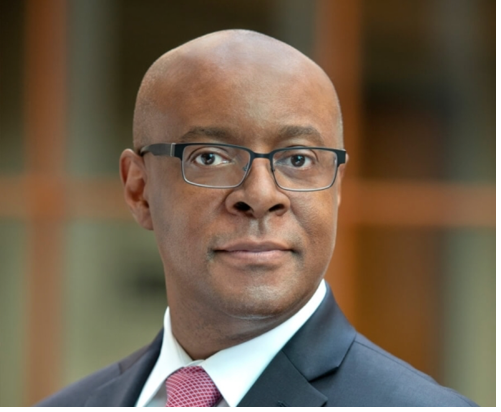
David Mussington
Professor of Practice; fmr. White House National Security Council

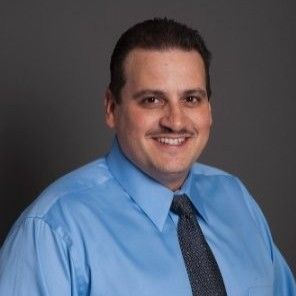
Daniel Nunez
CISO

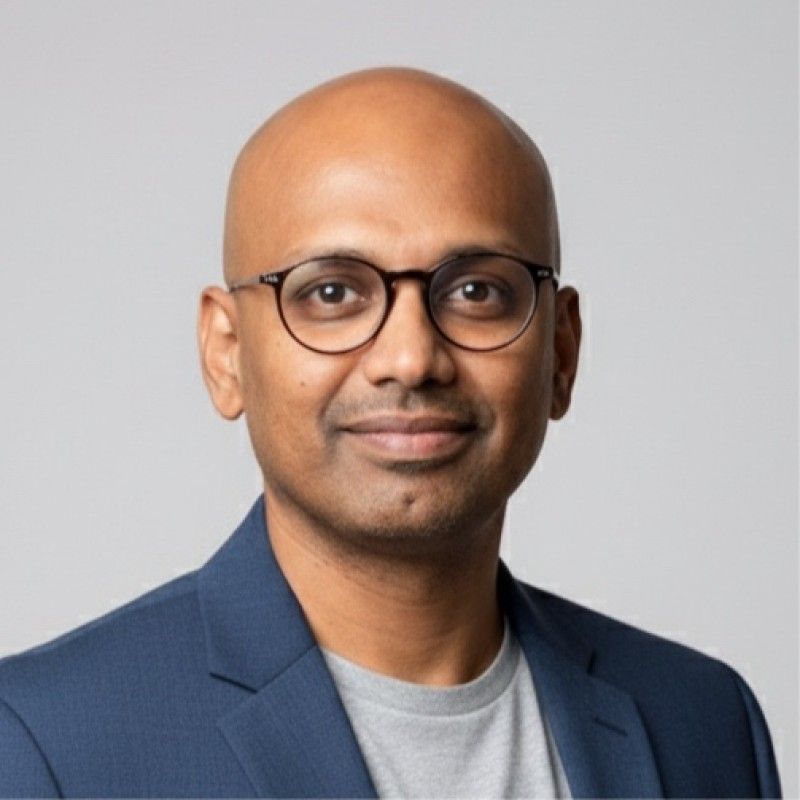
Kumar Palaniappan
SVP & CSO

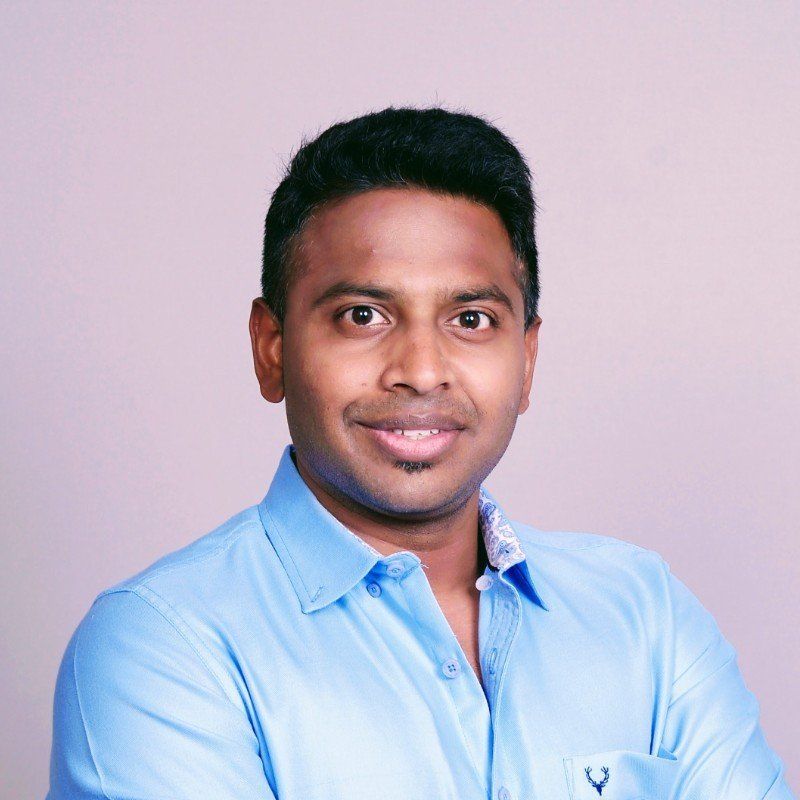
Rohit Parchuri
SVP & CISO

Alexander Raif
Chief Information Security Officer

Jim Reavis
CEO

Scott Roberts
CISO & SVP


Alyssa Robinson
CISO

John Rogers
CISO and Managing Director

Indu Sajeev
CISO

Chris Sandulow
CISO

Rinki Sethi
CISO & CSO

Alex Shamsutdinov
VP & CISO

Dr. Alex Shulman-Peleg
Global CISO
Jaideep Singh
CISO


Rose Songer
CISO

Sean Todd
CISO

Nancy Wang
CTO


Craig Weatherhead
Senior Vice President of IT Infrastructure & Security

Min Xu
AI Security

Puneet Agrawal
Lead, Security Compliance Risk Analyst

Tushar Badlani
Global Customer Audit Manager

Sheron Chakalakal
Head of GRC

Sammy Chowdhury
Co-founder and Chief Compliance Officer

Shane Danisher
Enterprise and SOC Security Manager

Alie Fordyce
Product Manager

Allie Fumicello
Product GRC SME

Devanshi Gandhi
Security GRC Engineering

Arvinda Gangadhararao
Director of Compliance

Saurabh Ghelani
Global Trust Officer

Shali Goradia
Head of Geo Expansion and Compliance

B L Hemanth
Privacy Engineer and AI Governance Lead

Tristan Ingold
Security and GRC

Sagar Joshi
Senior Manager Security & Privacy compliance
Arpitha Kaushik
Senior Manager, Technical Risk and Compliance

Danny Maninbo
Managing Principal - ISO & AI Practice Leader

Jas Mann
Director - Technical Risk & Compliance
Annie Matthew
Head of Compliance

Tara Mavrovitis
Head of GRC and Internal Audit

Debjyoti Mukherjee
Associate Director Data and AI Governance
Utpal Patel
Vice President - IT & Security
Algirde Pipikaite
Head of Governance, Risk and Compliance
Rahat Sethi
Senior Director, GRC

Gagandeep Singh
VP, Global Compliance & Certifications

Betina Tagle
Compliance

Jordan Watson
AI Governance Manager - AI Center of Excellence


Jordan Worth
Security and GRC

Dean Ball
Senior Fellow, Foundation for American Innovation; fmr. Senior Policy Advisor for AI, White House
David Campbell
Head of AI Security Research

Dr. Keri Pearlson
Senior Lecturer & Principal Research Scientist

Kevin Powers
Founder & Faculty Director

Elatia Abate
Founder
Sanjeev Agarwal
Founder & CISO
Hyrum Anderson
Senior Director, Security & AI

Abhi Arikapudi
Senior Director for Security Engineering
Hammad Atta
Lead Advisor AI Security Research & Consulting
Nanda Badrappan
Deputy CTO

Kapil Bareja
CyberRisk Leader
Brandon Bennett
Co-Founder & CEO

Unai Bermejo
Global AI Expert Engineer

Vidya Bodepudi
Global Director of Cybersecurity

Chirayu Buch
Principal CloudGRC
Mihaly Bujaki
Security Manager

Cyprien Cambus
Principal AI Advisor

Julie Chatman
CEO & Principal Consultant

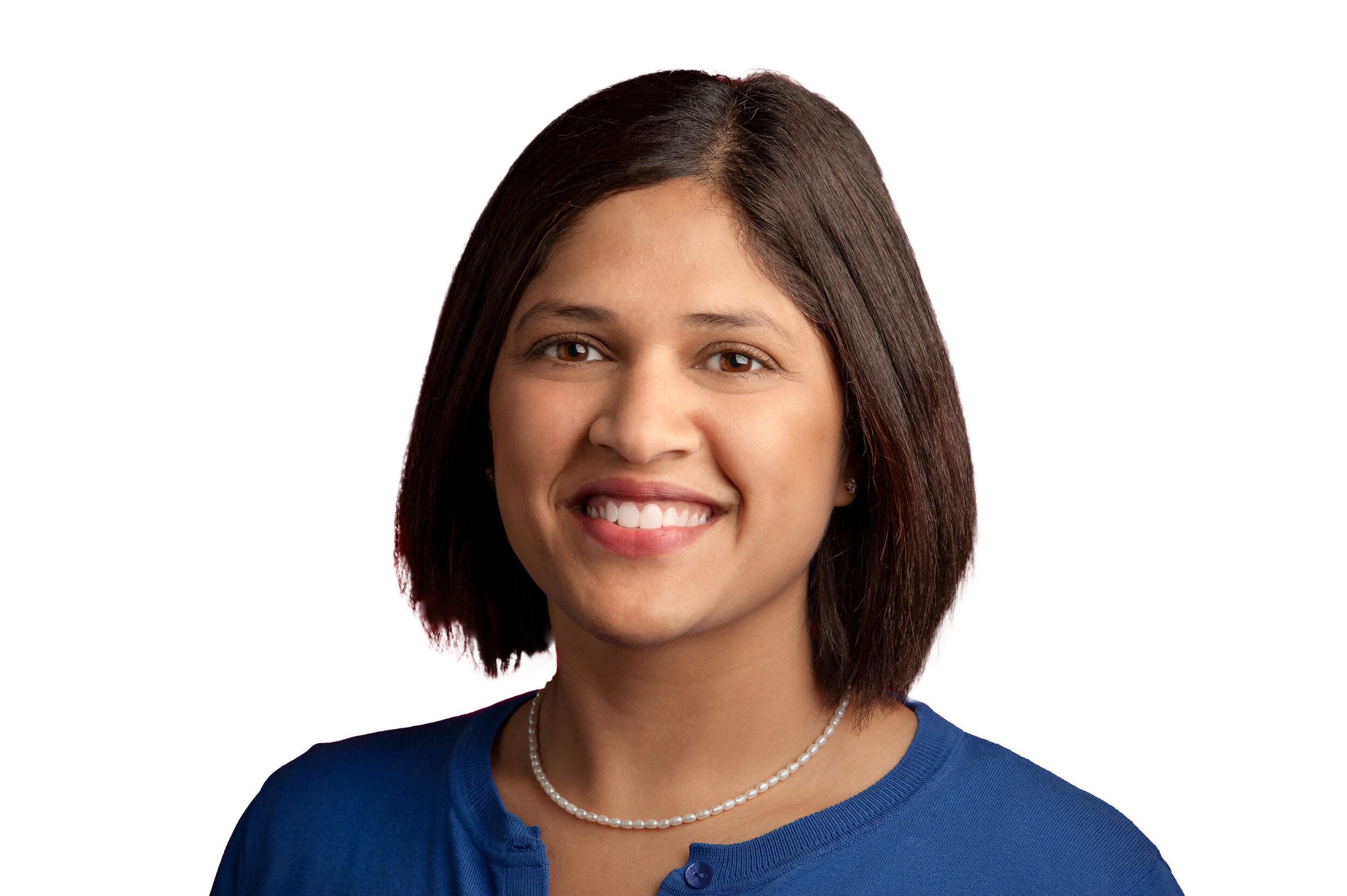
Aparna Chennapragada
CVP & Chief Product Officer for AI Experiences

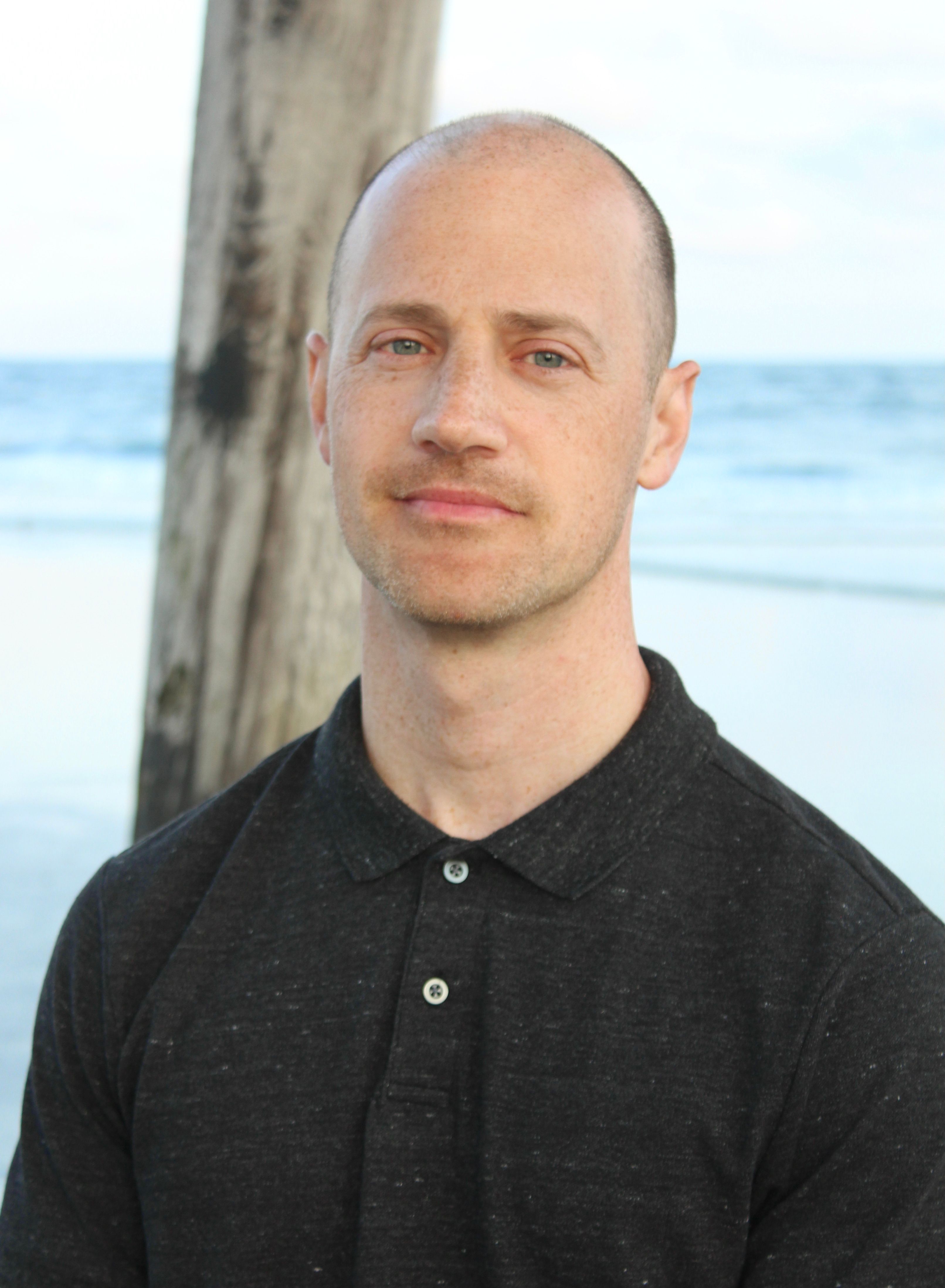
Matt Chiodi
CSO

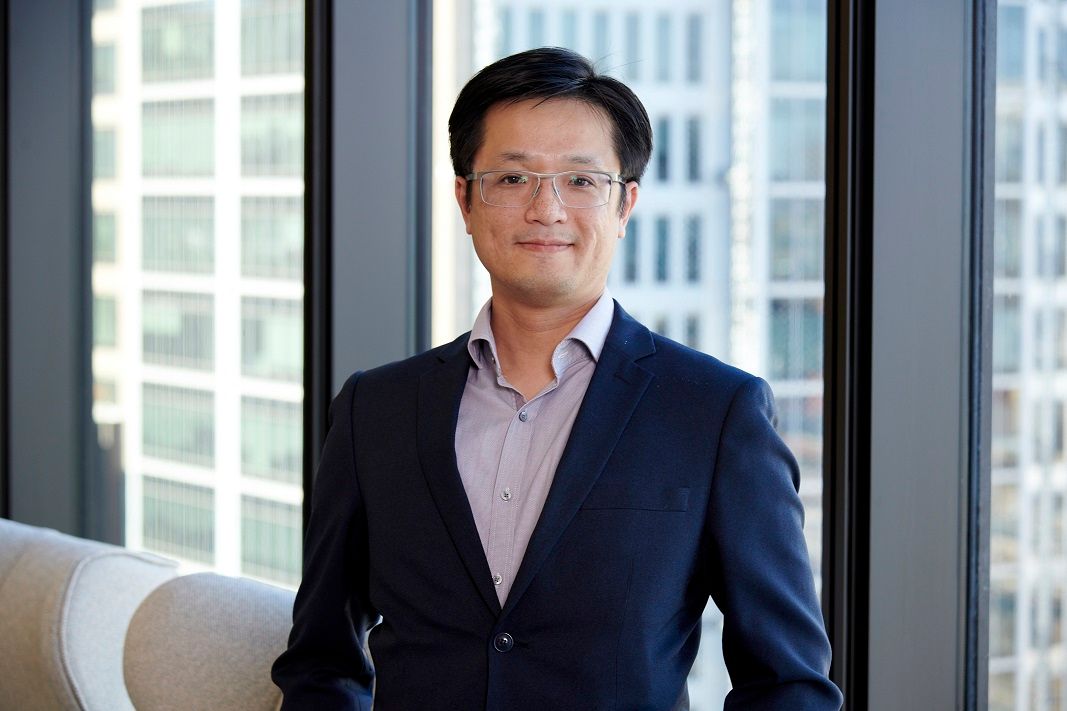
Wilson Chiu
Head of Cyber Security

Tom Clarke
Director - AI Safety and Security Lead

Cassie Crossley
Fmr. VP, Supply Chain Security

Adnan Dakhwe
CISO & CIO

Chris DeNoia
Founding Member
Akshay Dhawan
Senior Managing Director


Amanda Ehrhart
IT Senior Auditor
Zach Elewitz
Head of Enterprise AI Lab

Mehdi Esmail
Founder

Jonathan Fuller
CISO

Mike Gala
VP, Engineering Operations

Jason Ganz
Director, DX + AI

Daniel Garrie
Founder
Sajan Gautam
General Partner

Kathy Del Gesso
Startup Advisor & Fmr. CISO


Rene Gillson
Lead Risk and Compliance Manager
John Gilmour
Director

Travis Good
Co-founder / CISO
Lehar Gupta
AI Governance Research Director

Bhavya Gupta
Information Security Officer
Peter Holcomb
Founder & CEO

Rasha Horn
AI Architect

Ken Huang
CEO
Chris Hughes
VP - Security Strategy


Nicola Ianeselli
Innovation and VDC Leader

Jake Jacobs-Smith
Product Security Leader
Ankit Jain
Agentic AI Strategy and Implementation Leader

Damayanthi Jakubowski
Lead, Responsible AI (1LOD)

Prateek Kalasannavar
Staff AI Security Engineer
Keren Katz
Director of Threat Detection Research

Scott Kennedy
CISO

Mike Kenney
Maureen Data Systems (MDS)

Ayman Khalidi
Cloud Security Specialist

Aman Khanna
Business Development and Product Manager
Santosh Kumar
Chief Security Architect
Volkan Kutal
Founder & Lead AI Red Teaming Engineer

Kyle Lambert
Managing Principal

Rock Lambros
Director of AI Standards and Governance
Lee Laslo
VP of Infrastructure and Security

Yisehak Lemma
Fmr. CISO & Chief Privacy Officer

Brian Levine
Founder & Executive Director

Ryan Macfarlane
Incident Response Practice Lead

Mukunth Madavan
Staff Machine Learning Engineer

Murali Mallina
CTO
Dan Mathis
In-house Counsel
Louise McElvogue
Non-Executive Director

Scott Melchior
Managing Director - Digital Risk and Compliance
Chris Monson
Senior Security Architect

Kenneth Moras
Security Engineering

Tim Mortimer
Consulting Leader

Xabier Muruaga
Global Head of AI & Data
Latesh Nair
Global Product Head (Security & Data)

Vineeth Sai Narajala
Senior Technical Leader - AI Security Researcher
Arturo Negredo
Managing Director

Jay O'Connor
Head of Engineering and Development

Robin Patra
Head Analytics & AI Manager

Sanat Pattanaik
Principal Security Architect
Thor Peterson
Director, Technology and Cybersecurity

Valentina Poghosyan
Chief Compliance Officer

Sriya Potham
Field CTO

Ian Poynter
CEO

Gopi Ramamoorthy
Head of CyberSecurity

Sridhar Raparthi
Director - Cloud /DevOps Solution Architect

Madhul Sachdeva
Founder

Enis Sahin
Global Head of Security Architecture

Matt Saner
Senior Manager, Security Specialists

Laura Sawka
Founder & GRC Executive
Kartik Saxena
Principal Software Engineer

Mathusan Selvarajah
CTO & Co-founder

Chirag Shah
Global Information Security Officer & DPO

Robert Shala
Board Member
Boris Sieklik
AI Architect

Rajeev Singh
Group SVP

Abhinav Singh
Founder

Navrina Singh
Founder & CEO

Bakul Singhal
Information Security Architect

John Sotiropoulos
Co-lead - GenAI Security Project
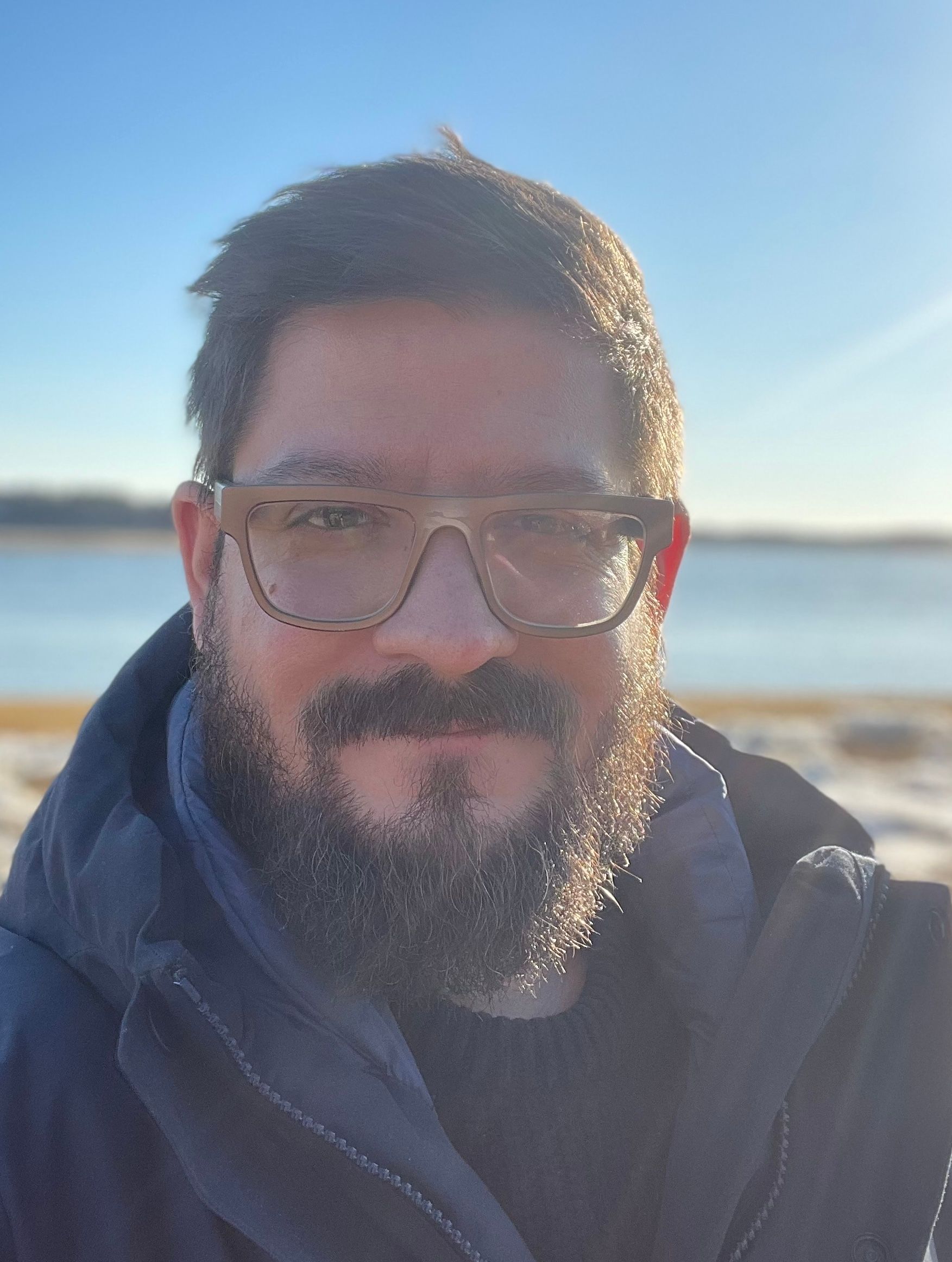
Andrew Spangler
Head of Security & Compliance

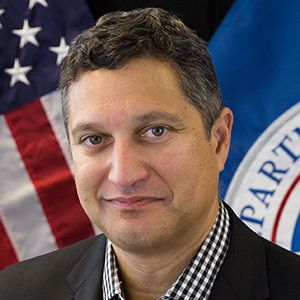
Martin Stanley
Principal Researcher for AI and Cybersecurity

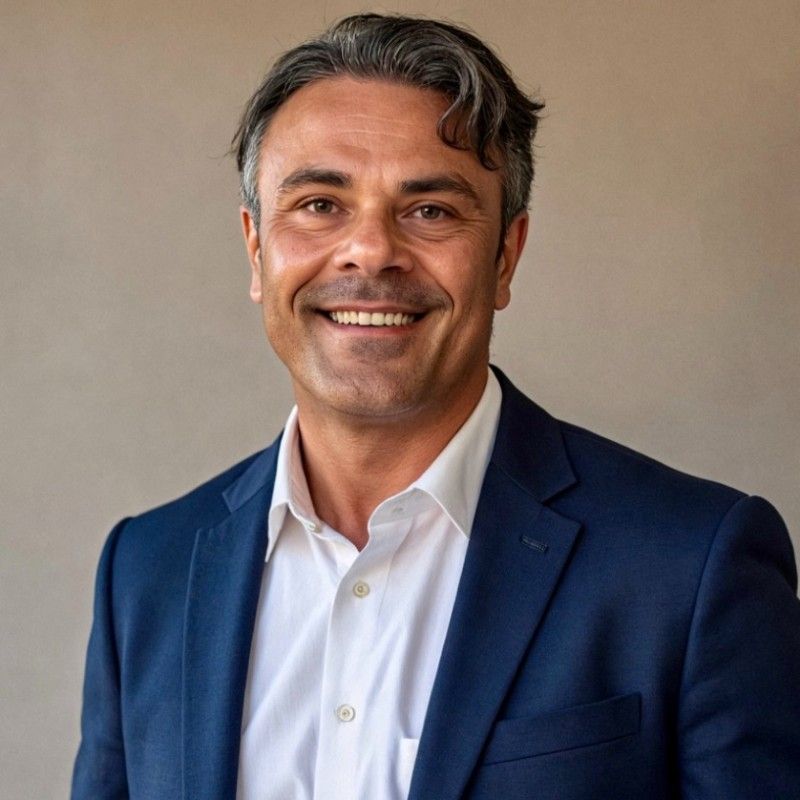
Patrick Sullivan
VP Strategy and Innovation


Matt Szymanski
InfoSec Director
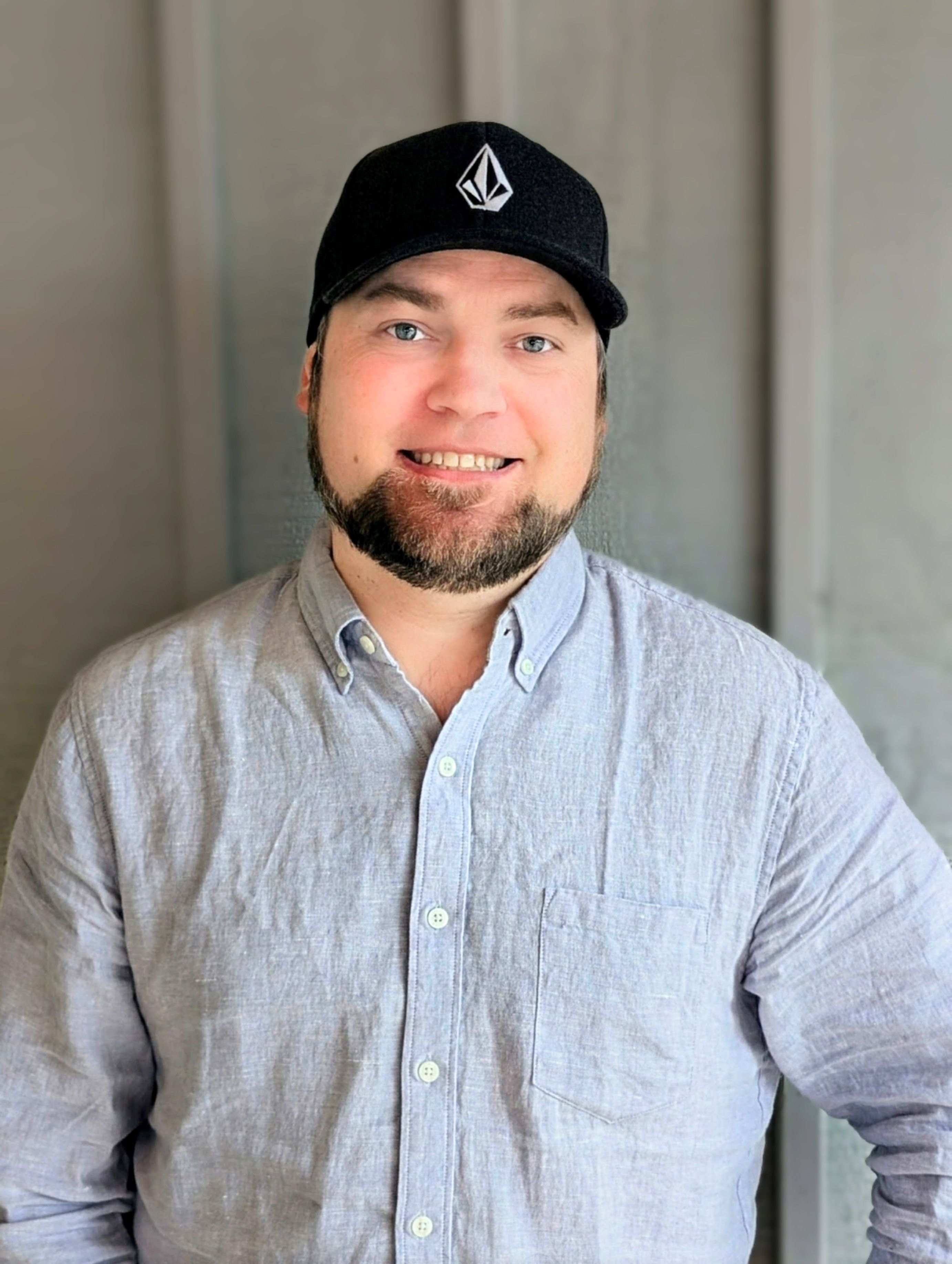
Mike Toole
Director of Security & IT

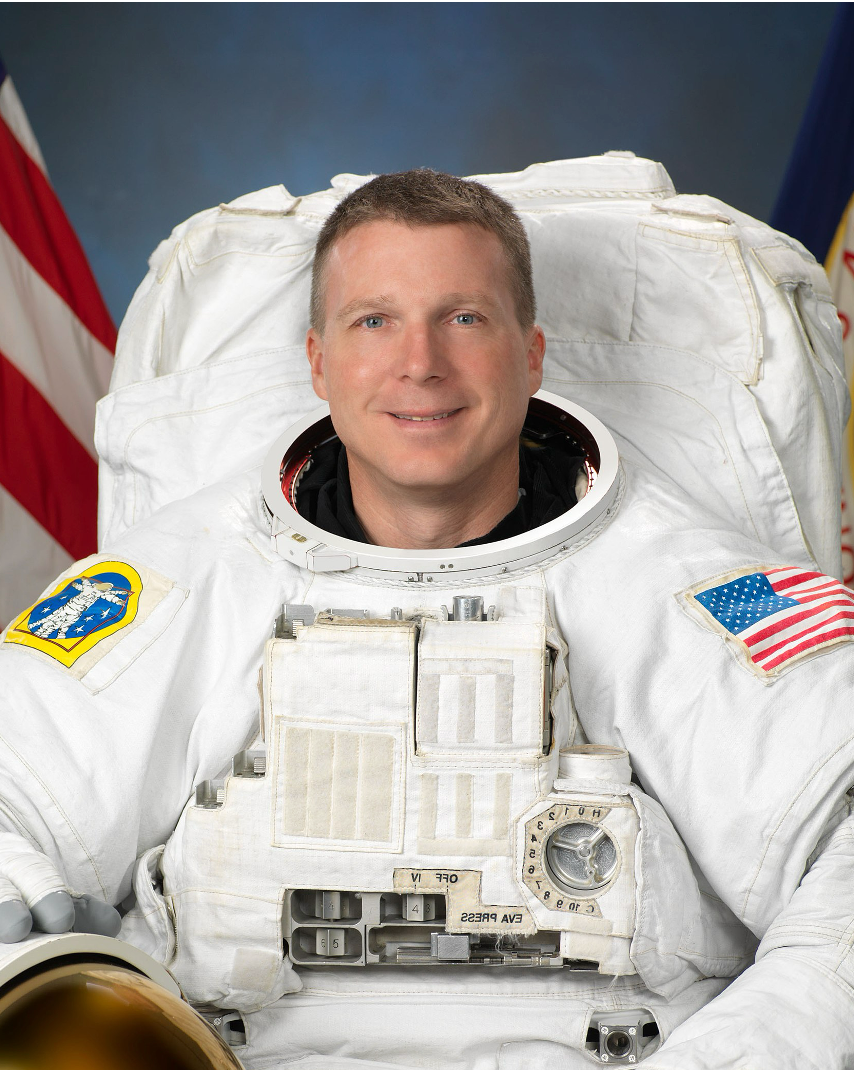
Terry Virts
NASA Astronaut, Retired
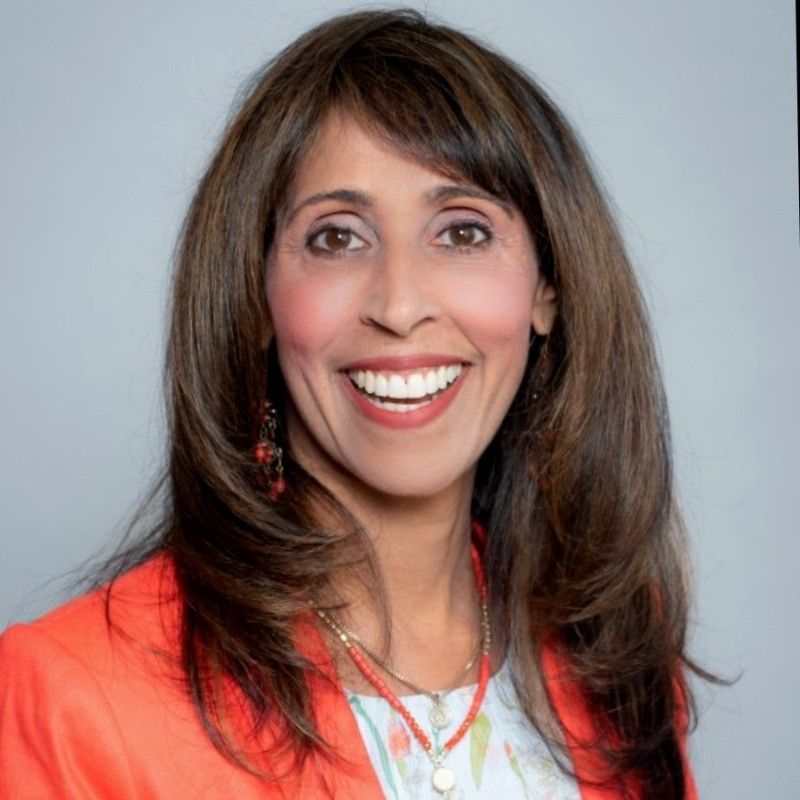
Jyoti Wadhwa
Fmr. Global Head, Product & Cloud Security

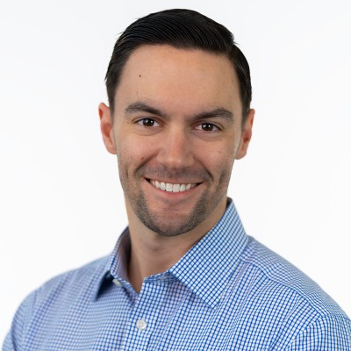
Christopher White
Director

Larry Whiteside Jr.
Co-Founder & President

Junior Williams
Principal Enterprise Architect, Security & AI

Tom Zick
Director of Responsible AI

“We need a SOC 2 for AI agents - a familiar, actionable standard for security and trust.”
Phil Venables
Former CISO

Recent research discussed
Research
Research
Research
Research
Research
The Security, Safety, and Reliability standard for AI agents
Stay up to date with AIUC-1

© 2026.AIUC